- https://www.india-briefing.com/doing-business-guide/india/taxation-and-accounting/nri-guide-funding-and-repatriation-options
- https://www.bajajfinserv.in/investments/reit-vs-real-estate-fund
Table of Contents
Managing Risks in NRI Property InvestmentsRisk Management Strategies for NRI Property InvestmentsThorough Due Diligence for NRI Real Estate InvestmentsTax Implications and Repatriation Rules for NRIDirect vs Indirect Property Investment ComparisonEmpowering NRI Property Investments with NoBroker!Frequently Asked Questions
Quality Service Guarantee Or Painting Free
Unbeatable Price
5-Star Rated Partner!
2200+ Shades!
Top Quality Paint
Free Cancellation!

Get a rental agreement with doorstep delivery

Find the BEST deals and get unbelievable DISCOUNTS directly from builders!

5-Star rated painters, premium paints and services at the BEST PRICES!
Loved what you read? Share it with others!

NRI Property Investment Risks: Legal, Financial, Market and Tax Implications in India 2026
Published : January 31, 2025, 12:00 AM
Updated : January 28, 2026, 4:27 PM
Author :

Summary
Learning about NRI property investment risks is essential before entering the Indian real estate market. The major risks include unclear property titles, legal disputes, delayed possession, fluctuating market conditions, and regulatory challenges. Tax implications, such as TDS on property sales and capital gains tax, also affect NRIs. To manage these risks, NRIs should conduct thorough due diligence, verify property documents, and seek professional legal and financial advice.
Table of Contents
Managing Risks in NRI Property InvestmentsRisk Management Strategies for NRI Property InvestmentsThorough Due Diligence for NRI Real Estate InvestmentsTax Implications and Repatriation Rules for NRIDirect vs Indirect Property Investment ComparisonEmpowering NRI Property Investments with NoBroker!Frequently Asked Questions
Considering a real estate investment in India? What are the most common legal risks for NRI property investors, and what due diligence is essential to protect yourself? When it comes to NRI property investment, risks and challenges such as unclear property titles, delayed possession, and disputes often arise. Tax implications, such as TDS on property sales and capital gains tax, further add to the burden. To manage these risks, NRIs should prioritise legal verification of documents, opt for reputable developers, and consult with tax and legal experts. In this blog, we'll explore the key risks associated with NRI property investments and provide insights into effective risk management strategies.
Managing Risks in NRI Property Investments
Investing in property can be a lucrative endeavour for Non-Resident Indians (NRIs), offering the potential for financial growth and stability. However, it's essential to understand and address the risks associated with such investments. Let's delve into the key risks faced by NRIs in property investment:
1. Economic and Market Risks
- Real estate markets are inherently tied to economic conditions.
- They can be subject to fluctuations due to various factors such as changes in GDP growth, interest rates, and overall market sentiment.
- Economic downturns can lead to decreased demand for property, lower rental yields, and potential declines in property values.
- Additionally, regulatory changes and geopolitical events can also impact market stability. 5. NRIs must carefully assess economic indicators and market trends before making investment decisions to mitigate the risks associated with market volatility.
2. Currency Exchange Rate Risk
- Changes in exchange rates can significantly affect the value of investments and the returns obtained when repatriating funds back to their home country.
- Suppose the value of the local currency depreciates against the currency in which the investment was made. In that case, the NRI may experience a reduction in the value of their investment when converted back to their home currency. 3. NRIS must consider currency risk management strategies such as hedging to mitigate the impact of exchange rate fluctuations on their investment returns.
3. Legal and Regulatory Risks
- One of the primary legal risks is the possibility of property title disputes or issues related to ownership rights.
- Additionally, NRIs must comply with specific regulations set by local authorities, such as the Reserve Bank of India (RBI), regarding foreign investment in real estate.
- Non-compliance with these regulations can lead to penalties and legal complications.
4. Operational and Property-specific Risks
- Managing a property remotely presents unique challenges for NRIs, including finding reliable tenants, overseeing maintenance and repairs, and addressing tenant issues.
- Additionally, property-specific risks such as construction delays or quality issues can impact investment returns and the overall success of the investment.
- NRIs may face difficulties in effectively managing these operational and property-specific risks from a distance.
5. Financial Risks
- Obtaining financing for property investments can be complex for NRIs, as they may face restrictions or higher interest rates compared to domestic investors.
- Fluctuations in interest rates also affect the affordability of loan repayments, potentially increasing the financial burden on NRI investors.
- Effective cash flow management is essential to cover expenses such as property taxes, maintenance costs, and loan repayments, especially in the absence of regular rental income.
- NRIs must carefully evaluate financing options, negotiate favourable terms, and develop comprehensive budgeting strategies to mitigate financial risks associated with property investment.
Risk Management Strategies for NRI Property Investments
Investing in property as an NRI offers promising opportunities, but it also comes with its share of risks. Let's explore practical approaches to mitigate the risks associated with NRI property investment in India:
Quality Service Guarantee Or Painting Free
Unbeatable Price
5-Star Rated Partner!
2200+ Shades!
Top Quality Paint
Free Cancellation!
Get a rental agreement with doorstep delivery
Find the BEST deals and get unbelievable DISCOUNTS directly from builders!
5-Star rated painters, premium paints and services at the BEST PRICES!
- Before making any investment decisions, conduct research and analysis. Verify the legality of the property by examining title deeds, ownership documents, and relevant permits.
- Contact a reliable lawyer specialising in real estate transactions to understand legal intricacies and ensure compliance with local regulations.
- Stay informed about economic trends, regulatory changes, and market dynamics that may impact property values and rental income.
- Given the exposure to currency exchange rate fluctuations, consider hedging options to minimise the impact on investment returns when repatriating funds.
- To address operational challenges and property-specific risks, engage professional property management services. These professionals ensure smooth property management even from a distance.
- Work with reputable financial institutions, compare loan options, and negotiate favourable terms and conditions during the loan tenure to effectively mitigate financing risks.
- Develop a comprehensive budget that accounts for expenses such as property taxes, maintenance costs, and loan repayments. Set aside funds for contingencies to cover unexpected expenses.
Thorough Due Diligence for NRI Real Estate Investments
Investment in real estate by NRI presents a lucrative opportunity, yet it carries inherent risks. To minimise these risks and optimise investment success, NRIs must prioritise thorough due diligence. Let's delve into the critical components of due diligence tailored to NRI real estate investments:
1. Legal Compliance
NRIs should meticulously verify the property's legality by scrutinising title deeds, ownership documents, and relevant permits. Consulting with a specialised real estate lawyer can provide invaluable guidance through the legal intricacies.
2. Property Verification
Physical verification of the property is indispensable. NRIs must assess their condition, amenities, and construction quality. Additionally, understanding the neighbourhood and nearby infrastructure aids in evaluating the property's long-term value.
3. Financial Analysis
NRIs should evaluate the property's market value, rental potential, and expected return on investment. Scrutinising the developer's reputation, track record, and financial stability adds another layer of financial diligence.
4. Documentation Review
Thoroughly reviewing all relevant documents is critical. NRIs must review purchase agreements, sale deeds, and other applicable contracts related to the property. Understanding the terms, payment schedules, and potential contingencies minimises the risk of disputes or unforeseen financial obligations.
5. Tax and Legal Implications
NRIs must familiarise themselves with the tax laws in both their home country and the location of the property. Seeking professional advice from tax consultants and legal experts ensures compliance and minimises tax liabilities.
Tax Implications and Repatriation Rules for NRI
One of the most important aspects of repatriation is understanding the tax implications and rules for NRIs in India. Below are the tax implications and repatriation rules for NRIs in India [1]:
- NRIs are taxed only on income earned or received in India, such as rent, salary, or capital gains.
- It helps NRIs avoid paying tax on the same income in both India and the country of residence.
- NRIs can repatriate funds abroad from NRO accounts within RBI limits, subject to documentation.
- Funds in NRE and FCNR accounts are freely repatriable without restrictions.
- Banks deduct TDS on interest earned in NRO accounts; NRIs can claim refunds if eligible.
Direct vs Indirect Property Investment Comparison
It’s essential to know about direct vs indirect property investment options when exploring real estate opportunities. Each comes with unique advantages and challenges in terms of ownership, returns, and management [2].
| Aspect | Direct Property Investment | Indirect Investment |
| Ownership | Full legal ownership of property | Fractional ownership via REITs or funds |
| Liquidity | Low, selling takes time | High, units can be traded easily |
| Risk | Market fluctuations, tenant risks | Diversified risk across properties |
| Returns | Rental income + appreciation | Dividends + capital appreciation |
| Management | Requires active involvement | Professionally managed by fund/REIT managers |
Empowering NRI Property Investments with NoBroker!
Due diligence is essential for NRIs looking to invest in real estate. Carefully researching properties, analysing legal and financial aspects, and reviewing documentation thoroughly can significantly reduce risks and help you make well-informed investment decisions. Consulting legal, tax, and real estate experts further strengthens the process, ensuring you navigate complexities with confidence. Want to invest in India but worried about NRI property investment risks? Let NoBroker ease your burden. NB Legal Services offer expert guidance on property transactions, compliance, and tax implications. With NB Legal Services, you can protect your investments, understand the intricacies of real estate, and invest in India with confidence. consult with NoBroker today for peace of mind and successful property ventures.

Frequently Asked Questions
1Q. What are the main factors to consider regarding property investment risks and opportunities?
Ans: Understanding property investment risks and opportunities requires a balance of market research, legal due diligence, and financial planning to mitigate risks while maximising potential gains.
2Q. What is the relationship between property investment risk and return?
Ans: Property investment risk and return are directly correlated; higher risks often lead to a potential for greater returns, while lower risks generally yield more modest gains.
3Q. What are the main Risks for NRI Real Estate Investors?
Ans: The main risks include market volatility, legal and regulatory complexities, currency exchange fluctuations, and management challenges from afar.
4Q. Can economic downturns affect NRI property investments?
Ans: Yes, economic downturns can lead to lower demand, decreased rental yields, and declining property values, impacting investment returns.
5Q. How significant are operational risks for NRIs managing property from abroad?
Ans: Operational risks are significant as NRIs may face challenges in finding reliable tenants, managing maintenance, and handling tenant issues remotely.
6Q. Is investing in land a good idea in India for NRIs?
Ans: Yes, investing in land can be profitable under NRE investment, but it comes with risks like legal disputes.
7Q. What should NRIs know about inheritance laws in India?
Ans: Under NRE investment and inheritance rules, NRIs can inherit property in India, but taxation and repatriation of sale proceeds depend on RBI and FEMA guidelines.
Recommended Reading

Know About NRI Investment Opportunities in India
January 31, 2025
4209+ views
NRI Property Investment Risks: Legal, Financial, Market and Tax Implications in India 2026
January 31, 2025
3374+ views
Loved what you read? Share it with others!
ARTICLE SOURCES
Most Viewed Articles

NRI Power of Attorney for Property in India: How to Apply, Documents Required and Format
June 1, 2025
30657+ views

Know About ICICI NRI Account: Document Required, Eligibility and Application Process in 2026
January 31, 2025
27139+ views

NRI Accounts in India: List of Best NRE, NRO & FCNR Accounts in 2026
June 1, 2025
18086+ views
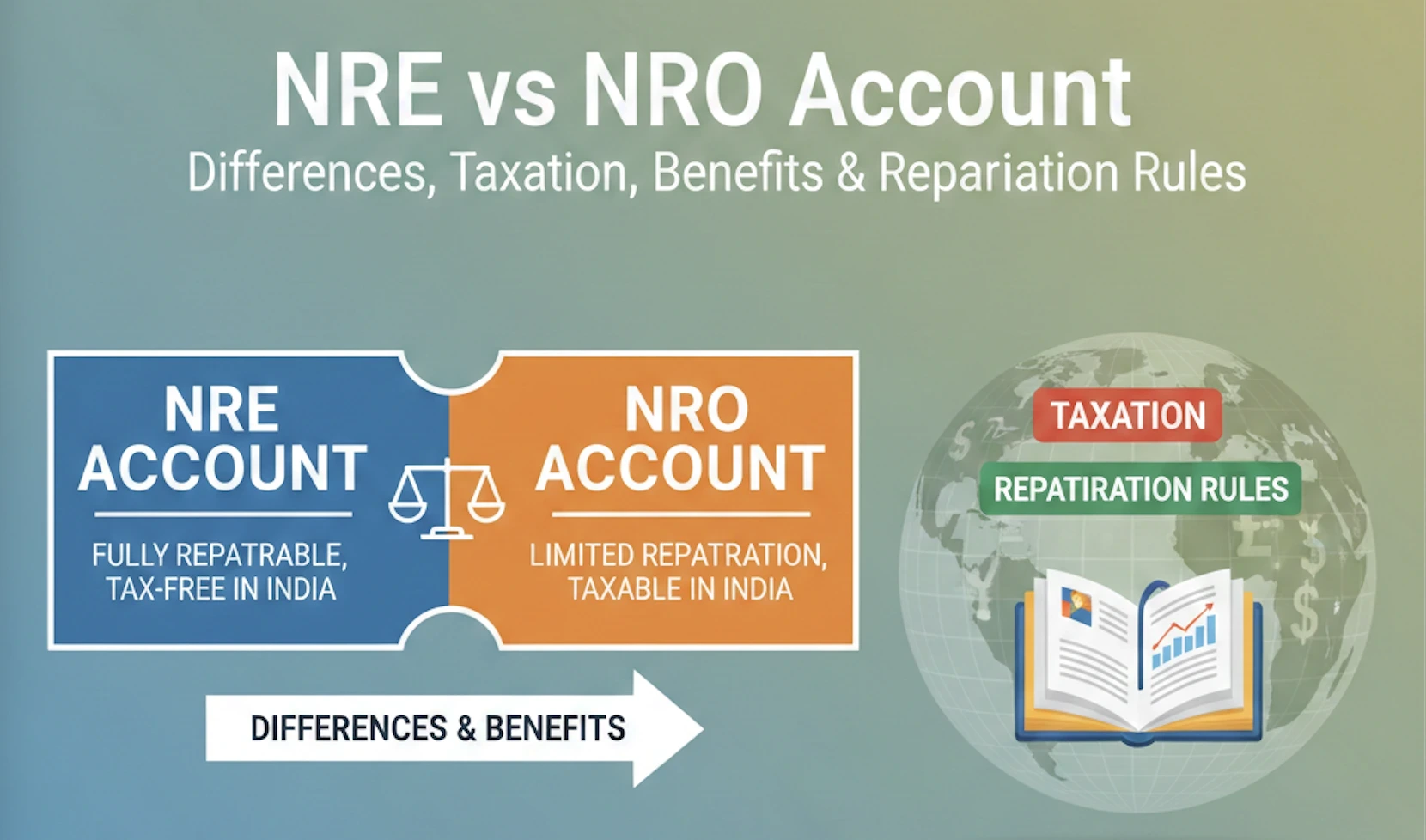
NRE vs NRO Account: Differences, Taxation, Benefits & Repatriation Rules
January 31, 2025
9966+ views

TDS on Sale of Property by NRI: Rules, Exemptions & Filing Process 2026
June 1, 2025
9170+ views
Author
Recent blogs in
NRI Rights in India for Property: Ownership, Inheritance & Legal Rules for 2026
November 21, 2025 by Vivek Mishra
What is NRI Certificate: Meaning, Uses, Documents Required & Procedure in India
August 25, 2025 by Vivek Mishra
Power of Attorney from UAE to India: Format, Documents & Legal Process in 2026
August 25, 2025 by Vivek Mishra
Power of Attorney for India Property from UK: Format, Documents & Legal Process in 2026
August 25, 2025 by Vivek Mishra
DTAA Between India And France: Tax Relief, TDS Rules & Benefits in 2026
August 22, 2025 by Kruthi










 Full RM + FRM support


Join the conversation!