Table of Contents
Loved what you read? Share it with others!


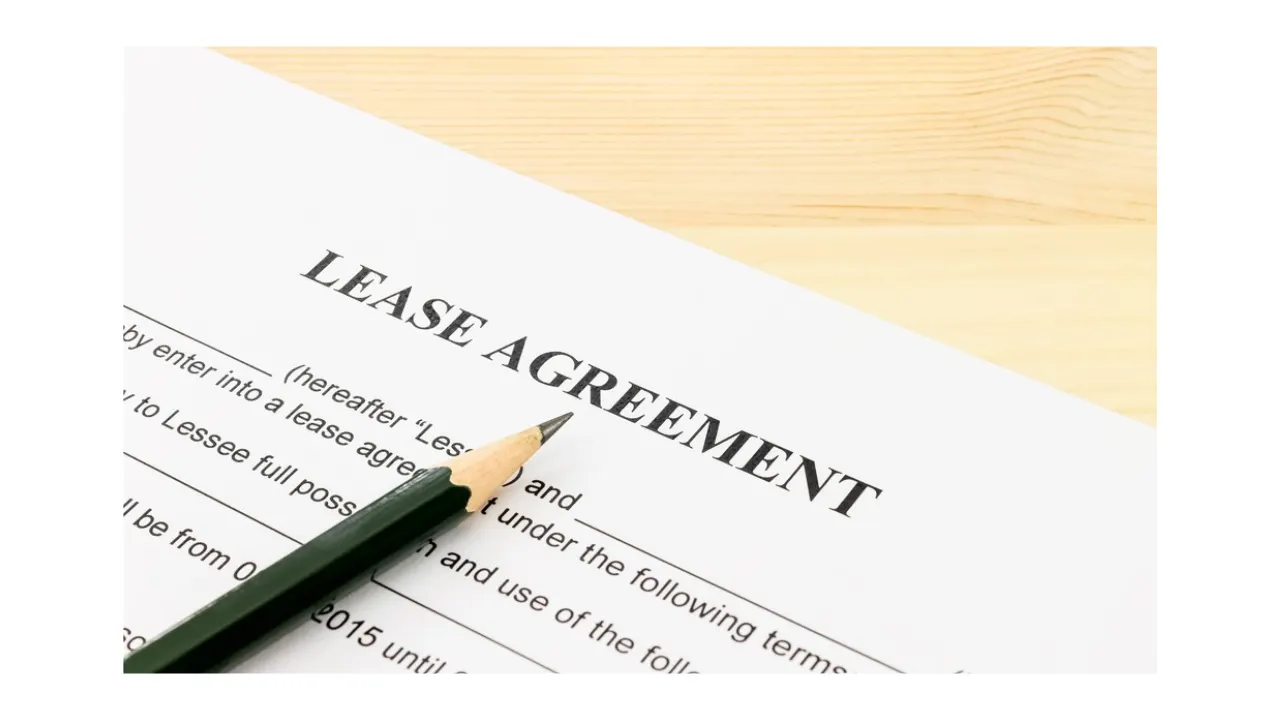
Shop Lease Agreement: Meaning, Format, Documents, and Benefits in India
Updated : May 29, 2026, 5:12 PM

Table of Contents
Starting a new business is exciting, but choosing a commercial space without proper legal documentation can create costly disputes later. Many shop owners and landlords face issues related to rent, tenure, maintenance responsibilities, or early termination because key terms were never clearly documented. A well-drafted shop lease agreement helps protect the interests of both parties by defining rights, obligations, and financial commitments from the beginning. Whether you are leasing a shop for a new venture or renting out commercial property, understanding the agreement format, required documents, and benefits can help you avoid misunderstandings and build a secure foundation for your business relationship.
What is a Shop Lease Agreement?
A shop lease agreement is a legally binding document that outlines the terms under which a landlord rents out commercial property to a tenant for business purposes. It clarifies details such as the identities of the contracting parties, property specifics, the duration of the lease, rental terms, security deposit requirements, acceptable business use, and each party's maintenance and repair responsibilities. For business owners, using a trusted online shop lease agreement template can speed up the process and make it much less stressful.
This agreement is instrumental in safeguarding the rights and expectations of both the landlord and tenant, ensuring a clear mutual understanding and preventing future disputes.
Types of Shop Lease Agreements
Retail shops operate with different needs. The choice of lease type affects business stability, investment, and long-term planning. Every kind of shop lease contract offers a unique blend of flexibility, control, and commercial suitability, depending on the scale of operations and the nature of the business. Below is a simple table to help you compare each type. Different companies require different leasing structures.
| Type of Lease | Suitable For | Key Features |
| Short Term Lease | Seasonal businesses, trial ventures, kiosks | Flexible duration, lower commitment, faster exit |
| Long Term Lease | Stable retail companies, established brands | Longer security of tenure, predictable rent and better for planning |
| Commercial Retail Lease | Showrooms, branded stores, high footfall locations | Detailed commercial clauses, signage rights, fitout permissions |
| Co-working Retail Space Lease | Pop-up shops, small entrepreneurs, and new sellers | Shared utilities, lower setup cost, shorter lock-in |
Elements To Include In A Shop Lease Agreement
When entering into a shop lease agreement, it’s crucial to cover all bases to safeguard both the landlord's and tenant's interests. Here are the fundamental components that should be encapsulated within such an agreement:
- Identification of Parties: At the outset, the contract must clearly state the full names and contact details of the involved parties – the landlord and the tenant. This serves as the foundation of the agreement.
- Property Specifics: Detailing the location is just the beginning. A comprehensive description of the commercial property, inclusive of any legal identifiers, must be laid out to avoid any ambiguity regarding what is being leased.
- Lease Duration: The commencement and conclusion dates anchor the timeframe of the lease, explicitly defining the period of tenancy.
- Rent Requirements: It’s imperative to establish the rent amount, payment intervals, and due dates to ensure consistent financial expectations and obligations.
- Security Deposit: The agreement must delineate the security deposit amount, clarifying the conditions under which it will be retained or refunded upon the lease's termination.
- Business Operations: The contract should specify what business activities are permissible on the premises to prevent any future disputes or legal complications.
- Tenant’s Duties: A section should be devoted to the tenant's responsibilities, encompassing rent punctuality, property upkeep, and adherence to laws and regulations.
- Landlord’s Duties: Equally, the landlord's responsibilities must be articulated, ranging from ensuring accessibility to performing necessary property maintenance.
Further, there are several other clauses that could be included to create a comprehensive and tailored agreement:
- Lease Renewal Terms: Options for lease extension and the conditions under which renewal can occur give clarity for future planning.
- Subleasing and Assignment Rights: This clause determines whether, and under which conditions, the tenant can sublet the space or transfer the lease agreement to another party.
- Termination Guidelines: Outlining the justified reasons and required procedures for lease termination protects both parties from abrupt and unwarranted cancellations.
- Dispute Resolution: It is wise to preemptively agree on a method for resolving any disagreements to avoid costly and time-consuming legal battles.
Additional Considerations Might Encompass:
- Utilities and Upkeep: Assigning responsibility for utilities and general maintenance helps prevent future conflicts.
- Insurance Obligations: Clearly stating insurance requirements ensures that both parties are adequately protected against potential losses.
- Alterations and Improvements: Conditions under which the tenant can alter or improve the property should be established to protect the landlord's property rights.
- Access Rights: The landlord’s right to enter the property for specific reasons, such as repairs or inspections, needs to be balanced with the tenant's right to privacy.
- Force Majeure: Provisions for unforeseen circumstances that could impede the fulfilment of contractual obligations can provide necessary protection for both parties.
Given the complexity and the legal ramifications of a shop lease agreement, it's always prudent to seek the expertise of a solicitor to review the document. This ensures that the lease is not only comprehensive but also equitable, catering to the specific nuances of the landlord and tenant’s agreement.
Documents Required for Shop Lease Agreement
Executing your lease agreement requires accurate paperwork that confirms the identity of both parties and establishes clear legal ownership of the commercial property. These records help prevent disputes, safeguard financial commitments and provide a dependable reference throughout the lease period.
For Landlord
- Proof of property ownership
- Identity proof
- Address proof
- Latest tax receipts or NOC
For Tenant
- Identity proof
- Address proof
- Business registration documents
- GST certificate, if applicable
- Passport-sized photograph
Benefits of Shop Lease Agreement
A shop lease agreement is a cornerstone document in the commercial property sector, offering a plethora of advantages to both the landlord and the tenant. Let's delve into the specifics of how this contract serves both parties.
- Clear Legal Boundaries: Establishes well-defined rules for property use, reducing misunderstandings and promoting a smooth landlord-tenant relationship through transparent contractual terms.
- Business Continuity Support: Ensures uninterrupted operations by securing a stable commercial space, allowing business owners to focus on growth without frequent relocation concerns.
- Dispute Prevention: Reduces the risk of conflicts by documenting rent, maintenance, responsibilities, and renewal terms, creating a predictable and organised leasing structure.
- Professional Credibility: Strengthens business legitimacy, as formal lease documents often serve as proof of address, enabling smoother processes such as licensing, registrations, and utility connections.
- Structured Renewal Options: Provides predefined renewal pathways that help tenants and landlords plan future occupancy and financial commitments with confidence and clarity.
- Transparent Cost Allocation: Mentions who handles repairs, utilities, and maintenance, offering crystal precise budgeting for both parties and preventing hidden or unexpected expenses.
| Category | Advantages | Disadvantages |
| For Landlords | - Assured rental income that supports steady cash flow. - Legal protection in case of disputes. - Clear terms reduce operational stress. | - Limited flexibility to increase rent during the lease term. - Possible delays or defaults in payment by tenants. - Property maintenance demands may arise. |
| For Tenants | - Stable business location that supports growth and planning. - Predictable monthly rent for better budgeting. - Scope to negotiate terms related to rent, deposit, and duration. | - Long lock-in periods may restrict relocation plans. - Renovation or modification may require approvals. - Deposit amounts can be high in some locations. |
Understanding the Shop Lease Agreement Format
When entering into a commercial relationship, clarity is paramount, and nothing ensures transparency between a landlord and a tenant like a well-structured shop lease agreement. This contract not only lays down the rules, terms, and conditions of the tenancy but also secures both parties' interests throughout the duration of the lease.
The Framework of a Shop Lease Agreement
Here are the key components that form the framework of a shop lease agreement, outlining the rights, responsibilities, and obligations of both the landlord and tenant throughout the lease term:
- Introduction of Parties: The document begins by introducing the landlord and the tenant along with their respective mailing addresses, firmly establishing the identities of the contractual parties.
- Description of the Premises: This section allocates the physical space to be leased, detailing the address and the specific boundaries of the shop in question.
- Term of the Lease: This clause stipulates the commencement date and the duration of the lease, usually expressed in months or years.
- Rent Details: It outlines the amount of monthly rent, the acceptable payment methods, and the due date for payments, providing a financial roadmap for the tenancy.
- Security Deposit: A security deposit amount is agreed upon to cover potential damages or unpaid rent, with terms for its return post-lease termination.
- Permitted Use: The lease specifies the type of business activities permitted on the premises, ensuring that the tenant's business is compatible with the property's use.
- Tenant’s Obligations: Here, the responsibilities of the tenant are listed, including timely rent payment, maintenance of the property, compliance with laws, and the necessity of proper licensing.
- Landlord’s Responsibilities: This part defines the landlord's duties such as providing access, performing repairs, and covering property taxes and insurance.
- Renewal Terms: A renewal clause may be included, offering the tenant the right to continue the lease under predetermined conditions.
- Subletting and Assignment Restrictions: Restrictions on subletting and assigning the lease without the landlord’s consent are clearly mentioned to prevent unauthorised transfer of rights.
- Lease Termination: This section provides the terms under which the lease might be terminated, including the required notice period and the consequences of breaching the lease terms.
- Dispute Resolution: A mechanism for resolving any disputes that may arise between the landlord and tenant, often through arbitration, is outlined.
- Governing Law: The lease agreement identifies the state laws that will govern the agreement.
- The Binding Agreement: This statement confirms that the lease represents the whole agreement between the landlord and tenant, superseding any previous discussions or agreements.
- Severability: The clause ensures that if one part of the lease is deemed invalid, the remainder of the lease remains effective.
- Waiver: A waiver section states that neither party can forego any term of the lease without a written agreement.
- Notice Procedures: Clear procedures for delivering notices, including addresses and acceptable methods of delivery, are laid out.
- Importance of Headings: The role of headings is clarified; they are for reference and do not influence the terms of the agreement.
- Concluding with Signatures: The document ends with spaces for signatures from both parties, signifying their agreement to the terms laid out within the document, and making the lease legally binding. This format serves as a blueprint for a legally sound shop lease agreement.
Shop Lease Agreement Format
Here is a sample shop rent agreement format in stamp paper that landlords and tenants can use as a reference while drafting a commercial rental contract:
| LEASE AGREEMENTThis rent agreement ("Agreement") is made on (date) at AgreementCityBETWEEN:LANDLORD(s)...(hereinafter referred to as the "LANDLORD"), which expression shall, unless repugnant to the context, mean and include his heirs, executors, and permitted assigns.AND:TENANT(s)...(hereinafter referred to as the "TENANT"), which expression shall, unless repugnant to the context, mean and include his heirs, executors, and permitted assigns.WHEREASThe said LANDLORD(s) is an absolute (Landlord/Landlady) of the Property: PropertyAddress (hereinafter referred as "PROPERTY"), and the above said TENANTS(s) has contacted the LANDLORD(s) to take the property on rent and the LANDLORD(s) has agreed to let out the Property to the above TENANT(s) on the below-given terms and conditions.NOW, THIS DEED FURTHER WITNESSETH AND AGREED BY AND BETWEEN THE SAID PARTIES AS FOLLOWS:Term of Tenancy: The term of this agreement shall be for TenancyPeriod months, commencing from TenancyStartDate and ending on __________.Rent and Security Deposit: a. The monthly rent for the property is ₹__________ per month. b. The tenant agrees to pay the monthly rent on or before MonthlyRentDay day of each month. c. A security deposit of ₹__________ has been paid by the tenant to the landlord and this amount will carry no interest. The security deposit shall be refunded at the end of the tenancy period, subject to deductions for any damages or outstanding dues.Utilities and Maintenance: a. The tenant will be responsible for paying utility bills including electricity, water, internet, and any other applicable charges.Use of Property: a. The Tenant shall use the property solely for the purpose of PurposeOfLeasingProperty. b. The Tenant shall not engage in any illegal, immoral, or hazardous activities on the premises. c. Subletting, assigning, or transferring the property to any third party, in whole or in part, without the prior written consent of the landlord is strictly prohibited. Any subletting or assignment requires the landlord's explicit written approval.Termination and Notice: a. Either party may terminate this agreement by providing 60 days' written notice to the other party through any suitable channel. b. Upon termination, the tenant shall return the property in the same condition as at the beginning of the tenancy, minus normal wear and tear.Improvements and Alterations: The Tenant may make alterations or improvements with prior written consent from the Landlord. The Tenant is responsible for restoring the property to its original condition upon lease termination.Entry and Inspection: a. The landlord has the right to enter the property with prior notice to inspect its condition or make repairs. b. The landlord shall provide reasonable notice, except in cases of emergencies.Default and Eviction: a. Failure to make regular rent payments or violation of terms can result in eviction. b. The landlord will be within their right to evict the Tenant without the issuance of any legal notice.Renewal of Agreement: a. If both parties agree, this agreement may be renewed for another term subject to updated terms and conditions. b. Renewal terms and any rent adjustments should be discussed and agreed upon in writing prior to the renewal date.Dispute Resolution: In case of any disputes or disagreements, both parties shall first attempt to resolve the matter amicably through negotiation. If unresolved, mediation or arbitration can be pursued before pursuing legal action.Force Majeure: In the event that either party is unable to fulfil its obligations due to circumstances beyond its control (such as acts of God, natural disasters, government actions), the affected party shall be excused from such obligations during the period of disruption.Indemnity: The tenant shall indemnify and hold the landlord harmless from any claims, damages, or liabilities arising from the tenant's use of the premises.Notices: All notices and communications shall be in writing and shall be deemed properly delivered if sent via registered post or other medium as per the convenience of both parties.Miscellaneous Provisions: a. Confidentiality Clause: Both parties agree not to disclose any confidential information obtained during the term of this Agreement. This includes financial, operational, and proprietary information related to the property and business operations. b. Severability Clause: If any provision of this Agreement is deemed invalid or unenforceable, the remaining provisions shall remain in full force and effect. c. Entire Agreement Clause: This Agreement constitutes the entire agreement between the parties and supersedes any previous oral or written agreements. d. Amendments Clause: No amendments to this Agreement shall be valid unless in writing and signed by both parties.IN WITNESS WHEREOF, the parties hereto have set their hands and signatures on the date and year first above mentioned.Landlord(s) SignaturesTenant(s) Signatures |
Note: This Shop Agreement Format is a sample for reference. Modify the terms as needed and ensure compliance with applicable stamp duty and registration laws.
Difference Between a Shop Lease Agreement and a Shop Rent Agreement
Both agreements allow a tenant to use a commercial shop, but they differ in duration, legal strength, and registration requirements. A shop lease agreement usually applies to longer commercial arrangements and provides stronger legal protection. A rent agreement for shop works better for short-term occupancy with simpler documentation and greater flexibility.
Here is a quick comparison to help you decide which arrangement suits your situation:
| Aspect | Shop Lease Agreement | Shop Rent Agreement |
| Duration | Typically long-term (usually 11 months or more) | Usually short-term, often less than 11 months |
| Registration | Formal registration is generally required | Registration may not always be mandatory |
| Legal Protection | Stronger legal enforceability and protection | Comparatively weaker enforceability in disputes |
| Termination | Harder to terminate without following the strict clauses | Easier to modify or terminate with notice |
| Flexibility | More structured with defined obligations | More flexible with fewer contractual restrictions |
Stamp Duty & Registration Requirements
Stamp duty and registration rules play an important role in making a shop lease agreement legally enforceable. These requirements vary slightly across states, but the basic legal framework remains similar across India.
- Stamp Duty Calculation: Stamp duty is determined by state laws and is usually calculated as a percentage of the annual rent or total lease value, along with the lease duration.
- Mandatory Registration: Under the Registration Act, lease agreements for more than 11 months (one year or longer) must be registered with the local Sub-Registrar.
- Limited Validity of Unregistered Agreements: An unstamped or unregistered lease deed cannot normally be used as evidence to enforce lease terms in court during disputes.
- Registration Process: Both the landlord and tenant must appear at the Sub-Registrar’s office with identity proof and the stamped agreement to complete registration.
- Proof of Stamp Duty Payment: A valid stamp duty receipt or e-stamp certificate must be attached to the agreement as supporting documentation.
A properly stamped and registered shop agreement strengthens the contract's legal standing and protects both parties in the event of future disputes.
How to Register a Shop Lease Agreement in India?
Registering a shop lease agreement ensures legal validity and protects the interests of both the landlord and tenant. Follow these steps to complete the registration process:
- Draft the shop lease agreement, clearly mentioning all terms and conditions, including rent, security deposit, lease duration, maintenance responsibilities, and renewal clauses.
- Print the finalised agreement on stamp paper of the appropriate value prescribed by your state government.
- Visit the Sub-Registrar's Office with the original identity proofs of both parties, passport-size photographs, and relevant property ownership documents.
- Pay the applicable stamp duty and registration charges either online or at the registration office, depending on local procedures.
- Both parties must sign the agreement in the presence of two witnesses, who should also provide valid identification and signatures.
- After verification and registration, collect the registered lease agreement bearing the Sub-Registrar's seal as proof of successful registration.
How to Cancel a Shop Lease Agreement?
Cancelling a shop lease agreement can be a complex process. However, by following the correct procedures as stipulated by your lease and the principles of contract law, you can navigate this process smoothly. Below are the key steps and considerations to keep in mind:
1. Review the Lease Agreement Thoroughly
Your lease contains the specific conditions under which you can terminate the agreement. Identify and understand the termination clause and any penalties for early cancellation.
2. Issue a Formal Notice
Write a clear notice to the landlord stating your intention to cancel the lease. The notice period should align with the terms outlined in your lease.
Deliver the notice via certified mail to ensure there is a record of receipt.
3. Negotiate Termination Terms
Be ready to discuss the terms of cancellation. These may include the handling of the security deposit, any dues or charges, and the state in which the property is to be vacated.
Record any agreed-upon terms in writing to avoid future disputes.
4. Seek Legal Assistance if Necessary
If the termination terms are not clear or if there is a dispute, consider consulting with a solicitor to understand your legal position and options.
Key Points to Remember:
- Early Termination Liability: Exiting the lease before the term may incur additional costs.
- Property Condition: You are obliged to leave the premises in good order, factoring in reasonable wear and tear.
- Landlord Access for Inspections: Allow the landlord to inspect the property and carry out repairs as needed.
- Fulfillment of Financial Obligations: Ensure that all rents and related charges are paid up to the date of termination.
By adhering to these guidelines, you can ensure that the process of cancelling your shop lease agreement is as seamless and straightforward as possible. If you're uncertain about any steps or require further assistance, don't hesitate to contact a legal expert.
Common Mistakes to Avoid in a Shop Lease Agreement
A well-drafted shop lease agreement protects both the landlord and tenant, but several common mistakes can create legal and financial complications. Failing to register leases over 11 months, having vague or missing termination clauses, ignoring rent escalation terms, and unclear maintenance responsibilities are common errors. Signing without verifying the landlord’s ownership documents or skipping stamp duty payment can also lead to legal disputes and financial risks.
- Unregistered Lease: Failing to register leases over 11 months reduces legal enforceability.
- Termination Clause Issues: Vague or missing clauses create disputes over early exit.
- Rent Escalation Oversight: Not specifying periodic rent increases leads to conflicts.
- Maintenance Ambiguity: Unclear allocation of repair and upkeep responsibilities.
- Landlord Verification: Signing without confirming ownership documents risks legal disputes.
- Stamp Duty Non-Compliance: Failure to pay weakens the agreement’s legal validity.
How can NoBroker assist with Shop Lease Agreement?
At NoBroker Legal Services, we help landlords and tenants quickly create a legally valid shop lease agreement without brokerage charges. Our team provides access to verified legal experts, customised commercial lease agreement templates, online drafting, e-stamping assistance, and doorstep document collection. We simplify the documentation process, ensure legal compliance, and help you secure a professionally drafted commercial shop lease agreement with complete convenience and accuracy. Get started with the NoBroker lease agreement today and create your shop lease agreement in just a few simple steps.
Frequently Asked Questions
Ans: A commercial shop lease agreement is a binding contract that stipulates the terms and conditions under which a commercial property is rented. It details the obligations and rights of both the landlord and the tenant, ensuring clarity and legal protection for both parties involved in the leasing of a commercial shop.
Ans: A typical shop tenancy agreement outlines the rent terms, lease duration, tenant and landlord obligations, and use of the property. It serves as a legal framework to protect the interests of both the lessor and the lessee.
Ans: A trusted shop lease template can be sourced from legal websites or directly from solicitors specialising in commercial property. Ensure any template is tailored to reflect current laws and regulations.
Ans: Typical shop lease agreements vary in length but often span between 3 to 5 years. However, the duration can be negotiated to suit both the landlord's and tenant's requirements.
Ans: Yes, the terms of a shop lease agreement are open to negotiation before signing. It's crucial to discuss and agree on rent, lease duration, and other conditions to ensure it meets both parties' needs.
Ans: Registration becomes mandatory when the commercial shop lease agreement is valid for more than 11 months. A registered document ensures legal protection, stronger enforceability, and clear rights for both parties.
Ans: Modifications are allowed only if the landlord provides written consent. Structural changes, permanent fixtures or layout alterations must be approved to avoid disputes and to maintain compliance with the lease terms.
Ans: The format includes: parties’ details, shop address, lease duration, rent and payment terms, security deposit, permitted business use, maintenance duties, renewal and termination clauses, and signatures.
Ans: A shop lease agreement is usually for a longer term (11 months or more) and requires registration, offering stronger legal protection and structured obligations. A shop rent agreement is generally short-term, may not require registration, and offers more flexibility but less enforceability in the event of disputes.
Most Viewed Articles
Leave and License Agreements: Meaning, Calculation, Format and Registration in 2026
January 31, 2025
68941+ views

Shop Rent Agreement Template Online With Documents and Benefits
January 31, 2025
31342+ views

The House Construction Agreement: Sample and Legal Terms in 2026
January 31, 2025
15084+ views

House Rent Lease Agreement Format: A Complete Guide to Drafting a Legal and Clear Agreement
January 31, 2025
11044+ views
Shop Lease Agreement: Meaning, Format, Documents, and Benefits in India
March 27, 2025
9926+ views
Loved what you read? Share it with others!
Recent blogs in
Land Lease Agreement Format: A Complete Guide
May 11, 2026 by Vinay Kulkarni
Indemnity Clause in Lease Agreement: Meaning, Key Elements & Common Situations
April 30, 2026 by Vinay Kulkarni
What is GIDC Lease Deed?: Meaning, Process, Charges & Documents 2026
April 27, 2026 by Vinay Kulkarni










 Full RM + FRM support


Join the conversation!