Table of Contents
Loved what you read? Share it with others!


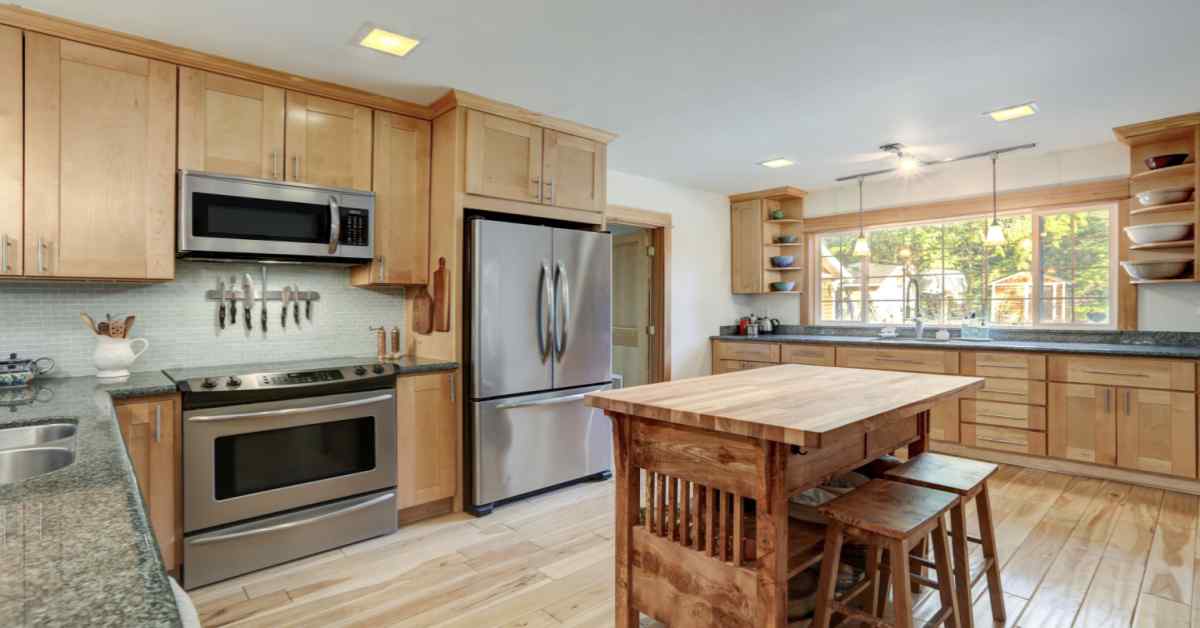
Wooden Kitchen Design: Enhancing Your Space with Natural Elegance
Updated : April 29, 2026, 3:48 PM

Table of Contents
Wood remains one of the most preferred materials in kitchen interiors due to its natural warmth and long-term durability. A wooden modular kitchen design balances visual appeal with durability, making it suitable for both modern modular layouts and traditional homes. From clean-lined contemporary kitchens to detailed classic setups, wood adapts easily across styles through different finishes, grains, and combinations. It also works well with materials like glass, metal, and stone, helping create a functional space that does not feel overly rigid or cold.
Choosing the right structure also depends on how you use the space, which is where exploring modular kitchen designs becomes useful for understanding storage and workflow. For tighter layouts, going through small kitchen design ideas can help you make better use of limited space without overcrowding the kitchen.
What’s a Wooden Kitchen Design?
A wooden kitchen design uses wood for cabinets, shelves, and sometimes countertops to shape the kitchen's look and functionality. The natural grain brings warmth and makes the space feel more comfortable and lived-in, which you’ll notice in different kitchen cupboard designs. Depending on the finish, it can look traditional or more modern, especially when planned as part of a modular, wooden kitchen design. Choosing the right kitchen countertop designs and overall kitchen design ideas helps create a kitchen that feels balanced and easy to use every day.
| Aspect | Wooden Kitchen Design |
| Style | Works across modern, contemporary, and traditional kitchen layouts |
| Material | Solid wood, plywood, MDF with veneer or laminate finishes |
| Best For | Modular kitchens, open kitchens, and compact apartment layouts |
| Finish | Matte, high-gloss laminate, natural polish, veneer, or textured wood grain finish |
| Cost Range | ₹1.5L – ₹3L (basic) • ₹3L – ₹6L (mid-range) • ₹6L – ₹8L+ (premium/custom) |
| Storage Type | Base units, wall cabinets, tall units, and integrated storage systems |
18 Wooden Kitchen Designs to Elevate Your Culinary Space
From rustic retreats to modern marvels, each wood kitchen door design in our handpicked collection promises to infuse your culinary space with warmth, elegance, and functionality. Embark on a journey of inspiration and discover the perfect wooden kitchen that reflects your unique style and enhances your cooking experience.
1. Rustic Farmhouse Wooden Kitchen
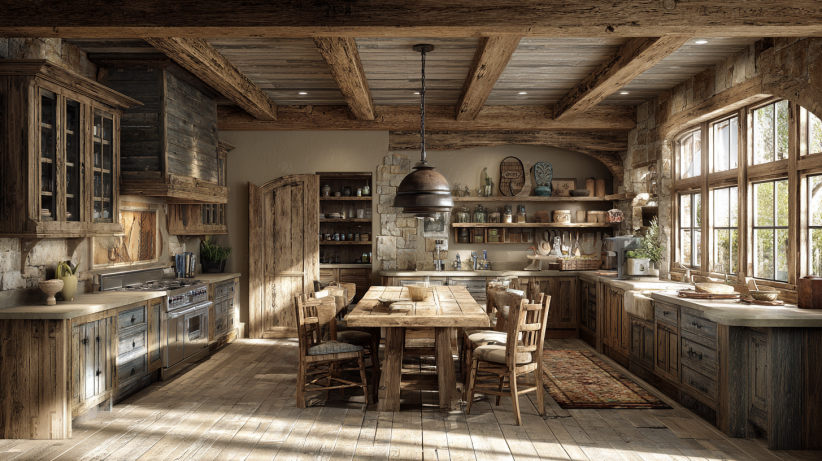
A rustic wooden kitchen design uses natural textures, exposed beams, and weathered finishes to create a grounded cooking space. The layout focuses on material depth and warmth, making it suitable for homes that favour traditional detailing and visually rich surfaces.
- Why choose this design: Strong material character with traditional detailing
- Cost estimate: ₹3L – ₹8L+
- Best for: Independent houses, farmhouse-style kitchens
2. Modern Modular Wooden Kitchen
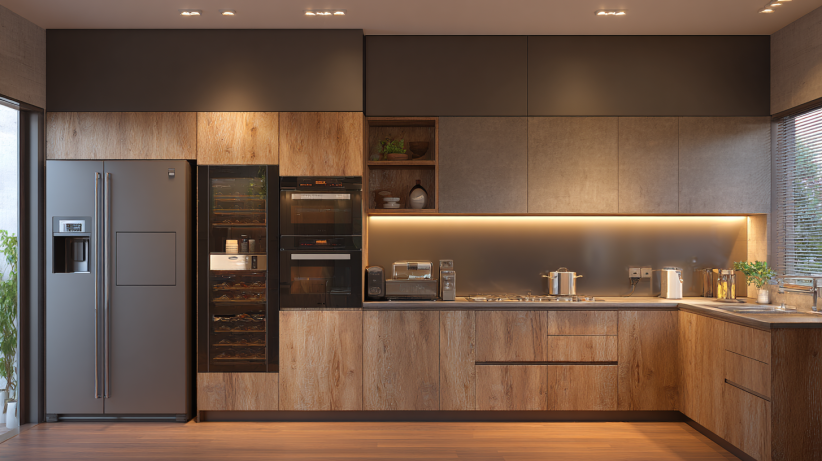
A modern wooden kitchen design combines clean lines with efficient storage layouts. The use of light or dark wood finishes with handleless cabinets creates a streamlined look, making it suitable for homes that prioritise function, organisation, and a visually controlled kitchen environment.
- Why choose this design: Efficient layout with minimal visual clutter
- Cost estimate: ₹2L – ₹6L
- Best for: Apartments, modular kitchen setups
3. Classic Wooden Kitchen Design
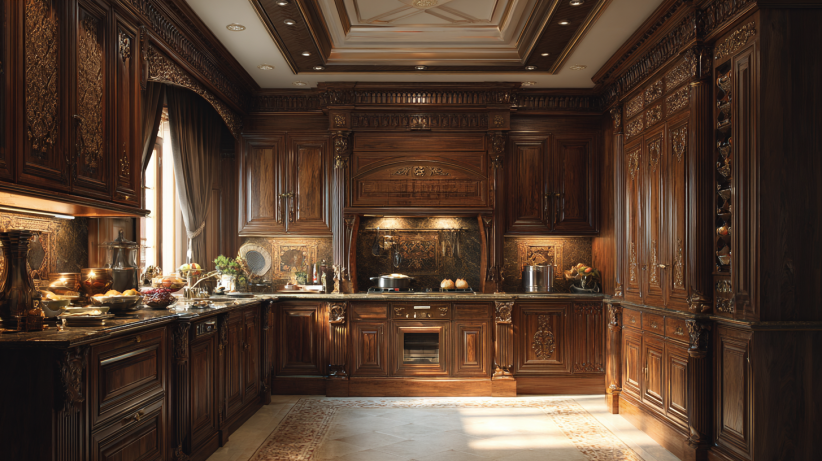
A classic wooden kitchen design focuses on detailed craftsmanship, panelled cabinets, and rich finishes. The layout emphasises symmetry and proportion, making it suitable for homes that prefer structured interiors with a consistent material palette and traditional visual balance across surfaces.
- Why choose this design: Structured layout with detailed craftsmanship
- Cost estimate: ₹4L – ₹8L+
- Best for: Villas, heritage-style homes
4. Compact Wooden Kitchen Design
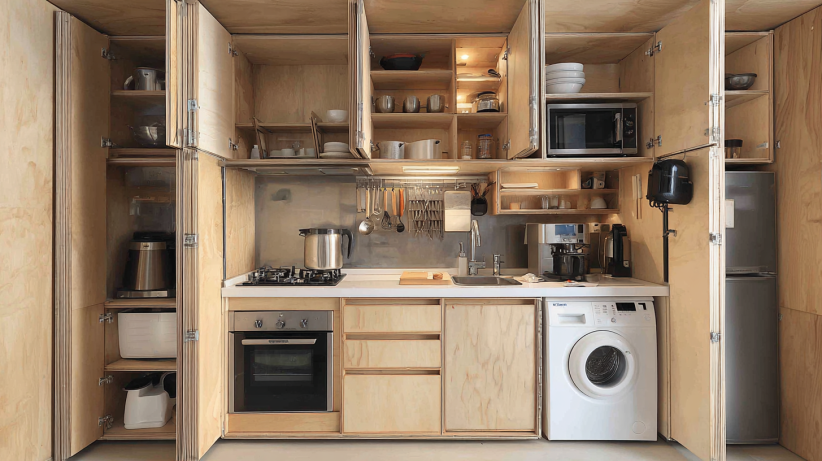
A compact wooden kitchen design maximises available space through efficient storage and layout planning. The use of vertical units, foldable elements, and integrated storage ensures usability, making it suitable for small kitchens that require functionality without overcrowding the working area.
- Why choose this design: Space-efficient with smart storage
- Cost estimate: ₹1.5L – ₹4L
- Best for: Small apartments, studio kitchens
5. Eco-Friendly Wooden Kitchen

An eco-friendly wooden kitchen design uses sustainably sourced materials and low-impact finishes. The layout prioritises long-term usability and responsible sourcing, making it suitable for homeowners who prefer durable kitchen solutions while reducing environmental impact through material selection and design choices.
- Why choose this design: Sustainable materials with long-term usability
- Cost estimate: ₹3L – ₹7L
- Best for: Environment-conscious homes
6. Custom Wooden Kitchen Design
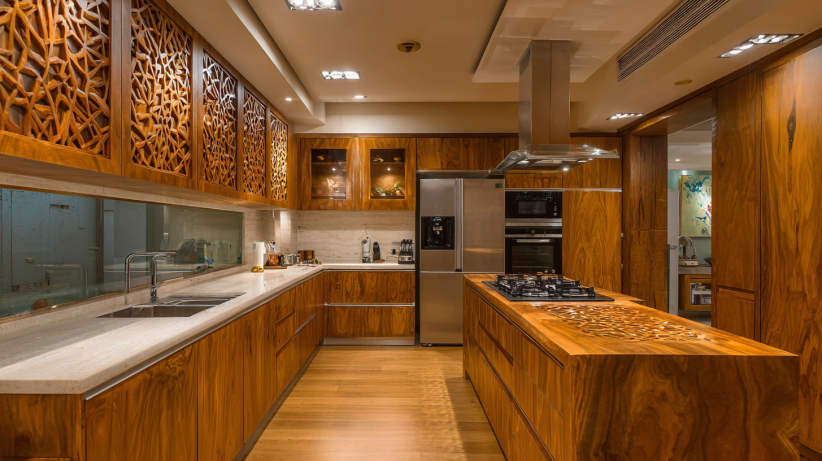
A custom wooden kitchen design allows flexibility in layout, material, and finish selection. Each element is designed to meet space requirements, making it suitable for homes that require tailored storage, unique layouts, and a kitchen setup that closely aligns with daily usage patterns.
- Why choose this design: Fully customised layout and storage
- Cost estimate: ₹4L – ₹10L+
- Best for: Personalised home interiors
7. Exotic Wood Kitchen Design

An exotic-wood kitchen design uses premium materials such as teak, walnut, and other imported hardwoods. The natural grain and finish define the visual appeal, making it suitable for kitchens where material quality and surface detailing remain the primary focus of the overall design.
- Why choose this design: High-end material with distinct grain patterns
- Cost estimate: ₹5L – ₹10L+
- Best for: Luxury kitchens, villas
8. Wood and White Kitchen Design
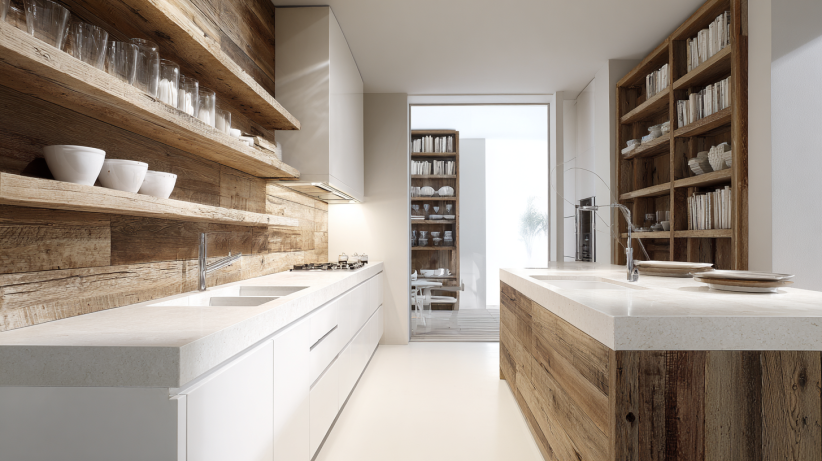
A wood and white kitchen design balances natural textures with light surfaces. The contrast improves brightness and reduces visual heaviness, making it suitable for kitchens that require a clean look while retaining warmth through wooden cabinets or shelving elements
- Why choose this design: Balanced contrast with improved brightness
- Cost estimate: ₹2L – ₹6L
- Best for: Modern apartments, open kitchens
9. Nature-Inspired Wooden Kitchen
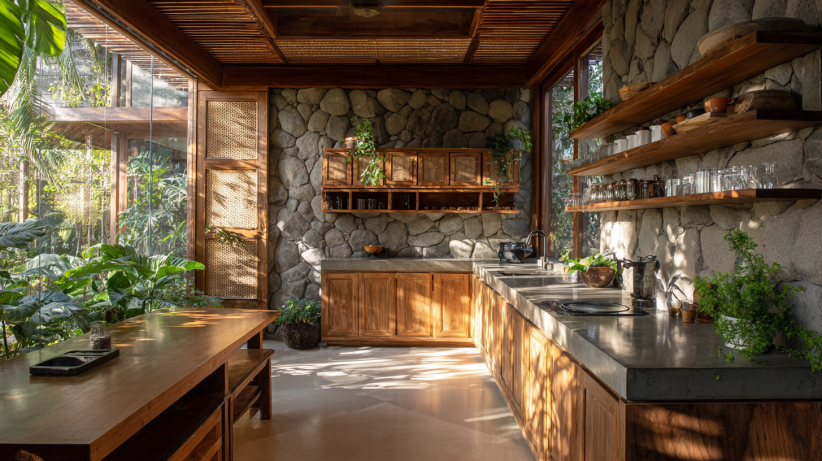
A nature-inspired wooden kitchen design integrates wood with stone, plants, and natural light. The layout connects indoor and outdoor elements, making it suitable for homes that require a relaxed kitchen environment with a strong visual connection to natural surroundings.
- Why choose this design: Natural materials with open visual flow
- Cost estimate: ₹3L – ₹7L
- Best for: Villas, garden-facing kitchens
10. DIY Wooden Kitchen Setup
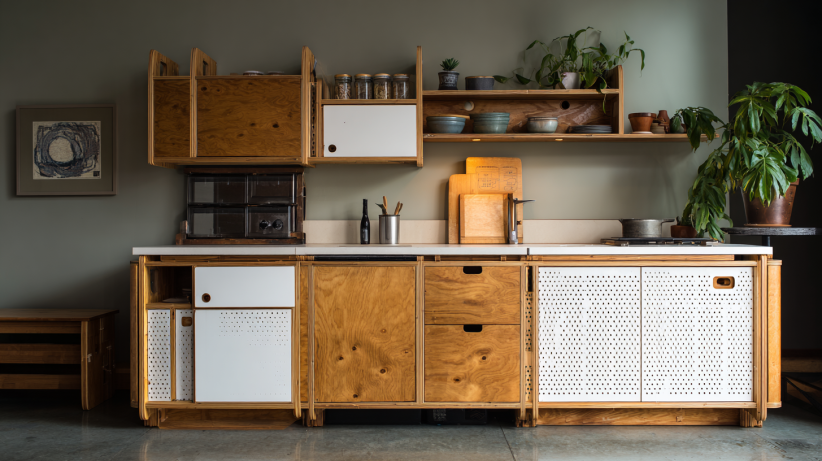
A DIY wooden kitchen design focuses on self-built elements and flexible layouts. The design allows gradual upgrades and custom additions, making it suitable for homeowners who prefer hands-on involvement in creating and modifying their kitchen setup over time.
- Why choose this design: Flexible and cost-controlled execution
- Cost estimate: ₹1L – ₹3L
- Best for: Budget-conscious homeowners
11. Minimalist Wooden Kitchen Design
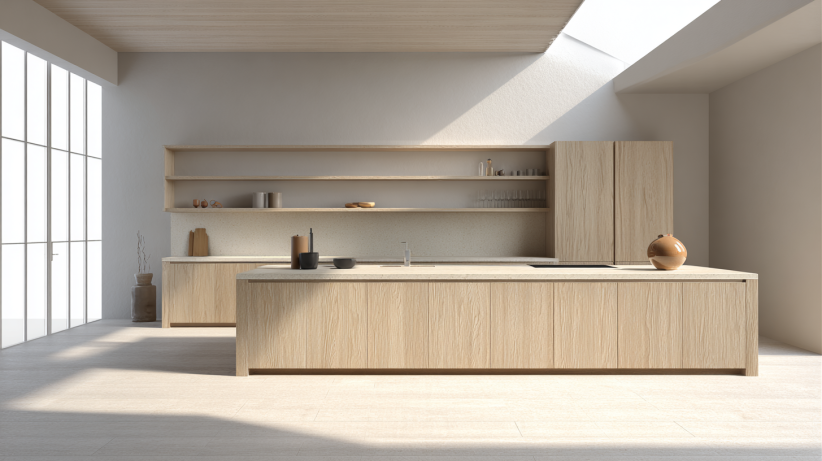
A minimalist wooden kitchen design reduces visual elements to essential components. Clean surfaces, hidden storage, and simple finishes create a controlled layout, making it suitable for kitchens where clarity, organisation, and ease of maintenance are paramount to daily usability.
- Why choose this design: Clean layout with low maintenance
- Cost estimate: ₹2L – ₹5L
- Best for: Modern compact homes
12. Traditional Wooden Kitchen Design
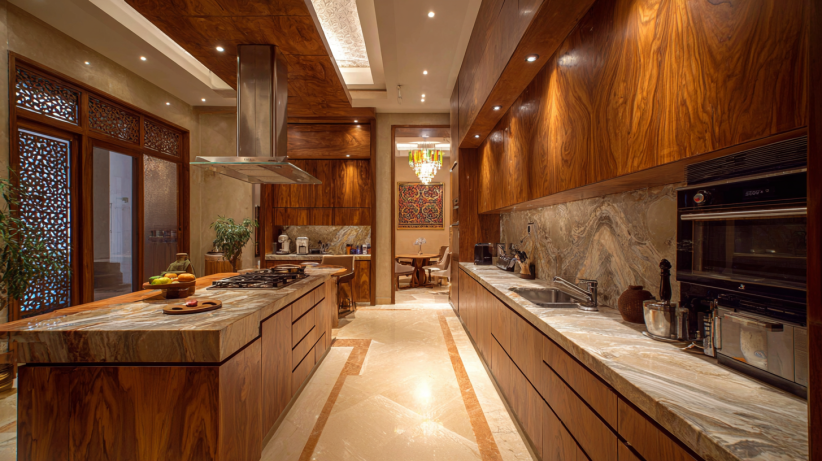
A traditional wooden kitchen design uses detailed joinery, decorative elements, and darker finishes. The layout focuses on depth and craftsmanship, making it suitable for homes that prefer heritage-inspired interiors with strong material presence and defined structural detailing.
- Why choose this design: Rich detailing with strong visual depth
- Cost estimate: ₹4L – ₹8L+
- Best for: Independent houses
13. Wood Contrast Kitchen Design
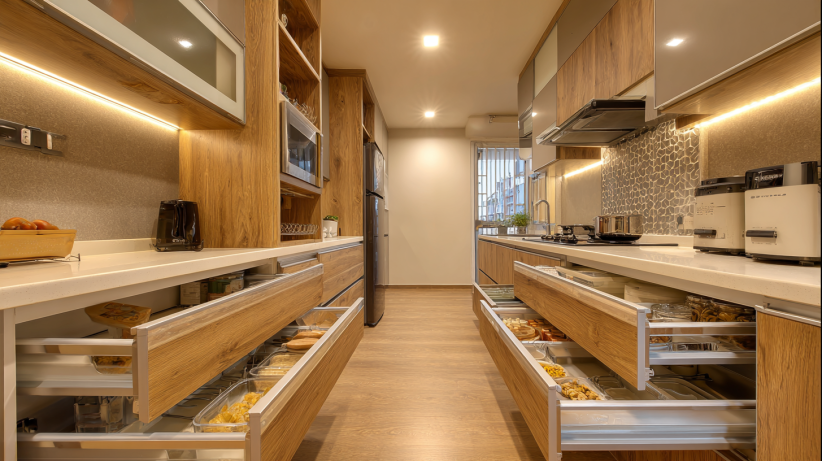
A wood contrast kitchen design uses light and dark tones to create depth across cabinets and surfaces. The variation improves visual layering, making it suitable for kitchens that require a dynamic look without introducing additional materials beyond wood finishes.
- Why choose this design: Strong visual contrast using wood tones
- Cost estimate: ₹2.5L – ₹6L
- Best for: Contemporary interiors
14. Smart Wooden Kitchen Design

A smart wooden kitchen design integrates technology with functional layouts. Features like pull-out systems, sensor lighting, and organised storage improve usability, making it suitable for kitchens that require efficiency without changing the natural warmth of wooden surfaces.
- Why choose this design: Improved functionality with smart storage
- Cost estimate: ₹3L – ₹8L
- Best for: Urban homes, modular kitchens
15. Scandinavian Wooden Kitchen Design
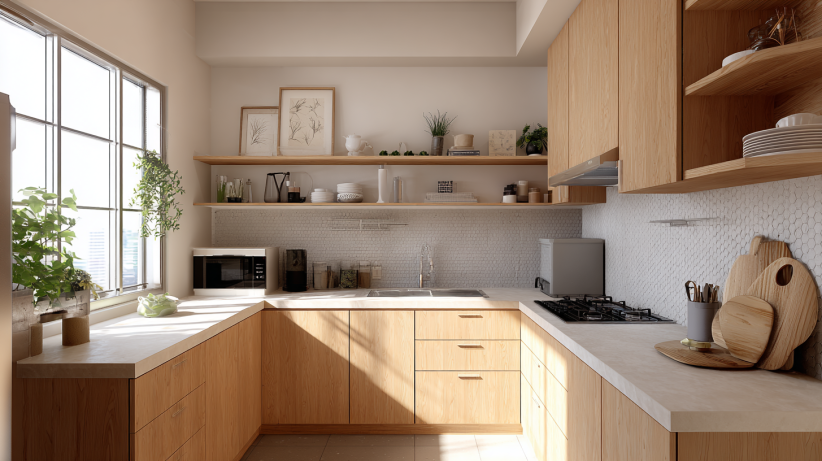
A Scandinavian wooden kitchen design uses light wood tones, simple layouts, and uncluttered surfaces. The design focuses on usability and natural light, making it suitable for kitchens that require a bright environment with minimal visual interruption across working areas.
- Why choose this design: Light, functional, and visually open
- Cost estimate: ₹2L – ₹5L
- Best for: Compact and modern homes
16. Industrial Wooden Kitchen Design
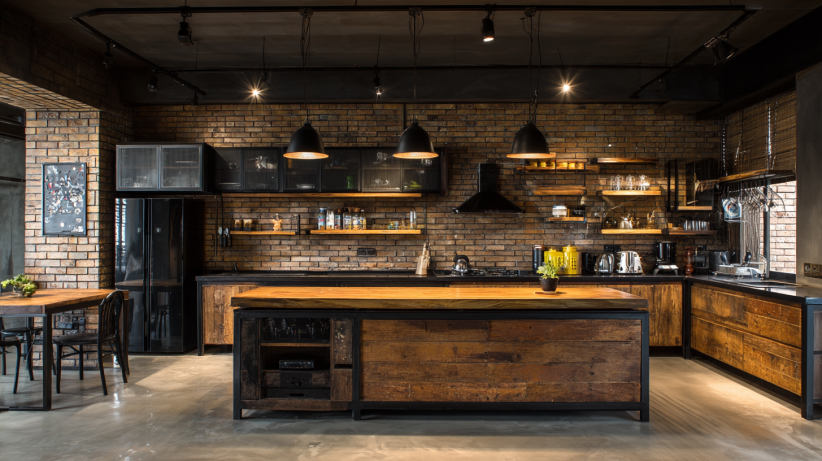
An industrial wooden kitchen design combines wood with metal and raw finishes. The contrast between materials creates a structured layout, making it suitable for kitchens that require durability and a defined visual framework without relying on decorative detailing.
- Why choose this design: Durable materials with strong structure
- Cost estimate: ₹3L – ₹7L
- Best for: Loft-style homes, modern interiors
17. Open Wooden Kitchen Design
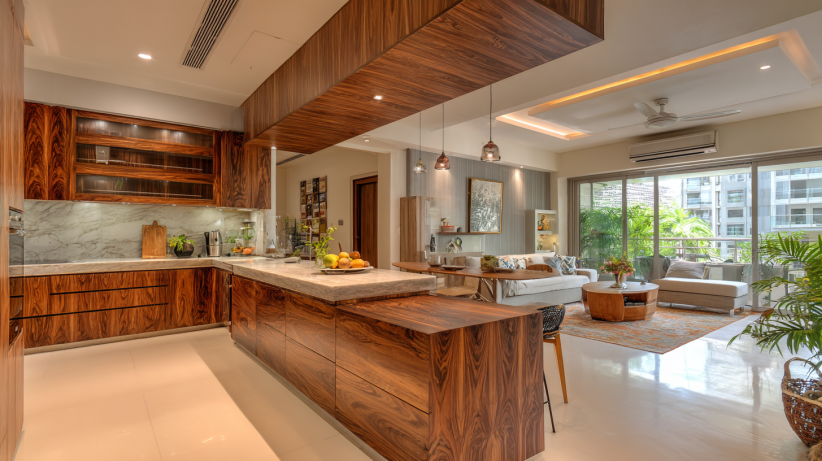
An open wooden kitchen design connects the kitchen with adjacent living spaces. The layout improves movement and interaction, making it suitable for homes that require a flexible cooking area integrated with dining or living zones.
- Why choose this design: Improved space flow and interaction
- Cost estimate: ₹2.5L – ₹6L
- Best for: Open-plan apartments
18. L-Shaped Wooden Kitchen Design
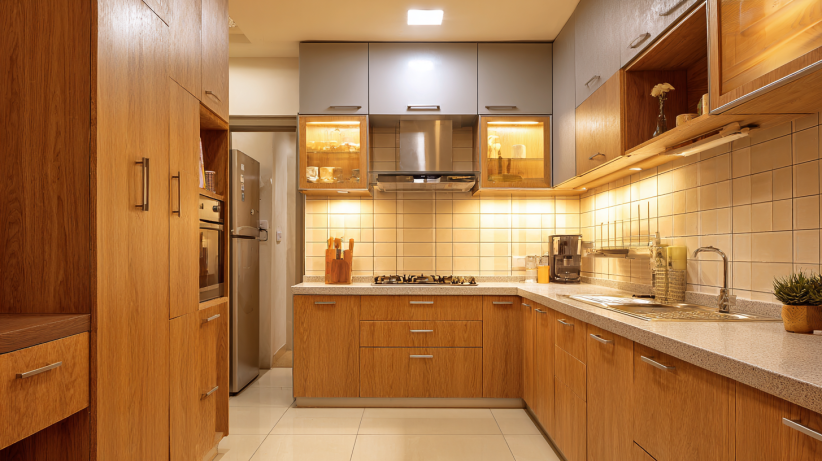
An L-shaped wooden kitchen design uses two connected walls to define the workspace. The layout improves movement and work efficiency, making it suitable for kitchens that require clear zoning without occupying excessive floor area.
- Why choose this design: Efficient layout with clear work zones
- Cost estimate: ₹2L – ₹5L
- Best for: Small to medium kitchens
Benefits of Using a Wooden Kitchen Design in Your Home
1. Natural Antimicrobial Properties
Wood surfaces can limit bacterial survival under controlled conditions. Hardwoods like maple and walnut perform better than certain synthetic materials when properly maintained, supporting a cleaner, more hygienic kitchen environment.
2. Environmental Sustainability
Wood becomes a sustainable choice when sourced responsibly. It stores carbon during growth, and using certified or reclaimed wood reduces environmental impact compared to high-energy manufactured materials.
3. Thermal Insulation
Wood slows heat transfer across surfaces. This property helps maintain balanced kitchen temperatures, reducing excessive heat buildup and improving energy efficiency during daily cooking.
4. Long-Term Durability
Wooden kitchen components can withstand regular use when properly treated. Solid construction and protective finishes help maintain structural integrity over time, even in high-usage kitchen environments.
5. Repair and Refinishing Flexibility
Wood allows sanding, polishing, and refinishing instead of full replacement. This flexibility extends the lifespan of cabinets and surfaces, making maintenance more practical and cost-effective.
6. Material Versatility
Wood adapts to a range of finishes, tones, and combinations. It integrates easily with glass, metal, and stone, allowing design updates without major structural changes.
7. Strong Load-Bearing Capacity
High-quality wood and engineered boards support heavy storage requirements. Cabinets, shelves, and drawers remain stable under daily use without compromising structural integrity.
8. Timeless Design Appeal
Wood remains relevant amid changing design trends. It works in both traditional and modern kitchens, reducing the need for frequent redesign or replacement.
9. Improved Visual Warmth
Wood introduces natural texture and warmth into the kitchen. It reduces the cold appearance of hard surfaces, creating a more balanced and comfortable working environment.
10. Wide Material Availability
Wood and engineered wood products are widely available across a range of budgets. Options like plywood, MDF, and solid wood allow flexibility in cost planning without limiting design possibilities.
Disadvantages of Wooden Kitchens (Must-know)
Wooden kitchens require careful maintenance and material selection to perform well over time. This section outlines practical limitations related to moisture, cost, and durability, helping you plan better and avoid long-term usability issues.
- Moisture sensitivity: Wood can absorb moisture if not sealed properly, leading to swelling or warping in humid kitchen conditions.
- Regular maintenance required: Surfaces need polishing, sealing, or refinishing over time to maintain durability.
- Higher initial cost: Solid wood and premium finishes increase overall kitchen cost compared to laminate-only options.
- Termite risk: Untreated or low-quality wood remains vulnerable to termite damage in certain environments.
- Surface wear over time: Scratches, dents, and stains can appear with daily usage, especially in high-contact areas.
- Heat exposure limitations: Prolonged exposure to heat near stoves can affect finish and surface stability.
- Weight factor: Solid wood cabinets are heavier, requiring strong support and proper installation.
How to Choose the Best Wooden Kitchen Design?
Choosing the right wooden kitchen design depends on space, usage, and material selection. This section highlights key factors that influence layout planning, durability, and cost, helping you create a kitchen that efficiently meets daily needs.
- Assess the kitchen size and layout: Select an L-shaped, U-shaped kitchen design, or a parallel layout based on available space.
- Define usage requirements: Plan storage, work zones, and appliance placement based on daily cooking habits.
- Choose the right material: Decide between solid wood, plywood, or MDF based on budget and durability needs.
- Select a suitable finish: matte, laminate, veneer, or natural polish, based on maintenance preferences.
- Focus on moisture protection: Ensure proper sealing and ventilation to prevent long-term damage.
- Match interior style: Align wood tone and design with overall home interiors for visual consistency.
- Check hardware quality: Use durable hinges, channels, and fittings for long-term functionality.
- Plan budget clearly: Balance design, material, and installation cost before finalising the layout.
Cost of Wooden Kitchen Design in India (2026)
Wooden kitchen costs vary based on material quality, layout complexity, and level of customisation. This section provides a clear cost breakdown across budget ranges, helping you estimate expenses and plan your kitchen investment more accurately.
| Kitchen Type | Estimated Cost Range | What’s Included |
| Basic Wooden Kitchen | ₹1.5L – ₹3L | Plywood/MDF cabinets, laminate finish, basic hardware |
| Mid-Range Wooden Kitchen | ₹3L – ₹6L | Better quality wood/plywood, soft-close hardware, modular storage |
| Premium Wooden Kitchen | ₹6L – ₹8L+ | Solid wood/veneer finish, customised design, premium fittings |
| Luxury Custom Kitchen | ₹8L – ₹15L+ | Imported wood, designer finishes, and advanced storage systems |
How to Maintain a Wooden Kitchen? (Expert Tips)
- Clean surfaces regularly using a damp microfibre cloth and mild soap to prevent dust and grease buildup.
- Wipe up spills immediately to prevent moisture absorption, which can cause swelling or staining.
- Avoid harsh cleaning agents like bleach, ammonia, or alcohol-based products that damage the wood finish.
- Apply wood-safe oil or polish periodically to maintain surface protection and prevent drying or cracking.
- Use heat protection such as trivets or mats under hot cookware to prevent surface damage.
- Ensure proper kitchen ventilation to reduce humidity and protect cabinets from warping.
- Handle sharp objects carefully to avoid scratches and dents on wooden surfaces.
- Inspect cabinets and countertops regularly for early signs of wear or damage.
- Repair minor scratches promptly by light sanding and reapplying polish or sealant.
- Re-seal surfaces when needed to maintain long-term durability and resistance to moisture.
Why Choose NoBroker Interior for Your Wooden Kitchen Design?
NoBroker Interior simplifies your wooden kitchen design with a structured, end-to-end approach that focuses on planning, cost clarity, and on-site execution. You get a single team handling everything, so your kitchen moves from concept to completion without delays or confusion.
What makes it a smart choice:
- Free design consultation: Discuss your kitchen layout, storage needs, and style preferences with an expert before you commit.
- Custom kitchen planning: Get a detailed design with layouts, cabinet configurations, and finishes tailored to your space and daily use.
- Material guidance: Choose the right wood, finishes, and hardware based on durability, maintenance, and budget.
- Transparent pricing: Clear cost breakdown ensures no hidden charges during execution.
- End-to-end execution: One team manages carpentry, installation, and finishing, reducing coordination issues.
- Dedicated project management: Timelines, site work, and updates stay organised under a single point of contact.
- Quality checks at every stage: Regular inspections maintain consistency in materials, fittings, and finishes.
- Pan-India delivery experience: Proven execution across multiple homes and kitchen layouts.
This process helps you build a wooden kitchen that fits your space, budget, and daily workflow without dealing with multiple vendors or design gaps.

FAQ'S
Ans: Costs vary by material. Basic laminate or plywood kitchens start around ₹80,000–₹2L, while solid wood kitchens can exceed ₹5L depending on size and finish.
Ans: Hardwoods like teak, oak, and maple are best due to their strength, durability, and resistance to wear.
Ans: No, wood remains relevant. Only finishes and tones change with design trends.
Ans: Wood works, but needs regular sealing and maintenance. It is less durable than stone for heavy use.
Ans: Typically 20–50 years, depending on material quality and upkeep.
Ans: Yes, with proper sanding and priming, cabinets can be repainted or refinished easily.
Recommended Reading
20 Trendy Wooden Partition Wall for Living Room in 2026
January 31, 2025
27154+ views
HDHMR vs Plywood: Price, Durability & Best Use Cases 2026
January 31, 2025
26256+ views
![20+Beautiful Bed Back Design Ideas for Your Bedroom in [full-year]](https://www.nobroker.in/blog/wp-content/uploads/2025/01/Bed-Back-Design.webp)
20+Beautiful Bed Back Design Ideas for Your Bedroom in [full-year]
January 31, 2025
22187+ views
Eye-Catching and Trendy Wooden Door Design Ideas for Your House
January 15, 2025
16215+ views
Standard Kitchen Dimensions: Essential Guide to Perfect Sizes
January 31, 2025
13504+ views
NoBroker Interior Design Tips & Ideas Testimonials
Most Viewed Articles
Top Hanging Light Ideas to Illuminate Your House
January 31, 2025
395695+ views

Modern Wall-Mounted Dining Table Design Ideas for Homes in 2026
January 31, 2025
106457+ views
Best 3 Bedroom House Plans: Modern and Space-Efficient Layouts for 2026
January 31, 2025
74005+ views
SBI Home Loan Interest Rates - Updated in 2026
May 7, 2025
53389+ views
25 Front Gate Design Ideas for Houses: Secure, Stylish and Functional Ideas 2026
January 31, 2025
39929+ views
Loved what you read? Share it with others!
Recent blogs in
Apartment Interior Designers in Bangalore: Your Complete Guide to Stylish Home Transformations
May 12, 2026 by Kruthi
Top 9 Interior Designers in Bangalore (2026): Best Experts for Home Interiors
March 25, 2026 by Ananth
The Best Wallpaper Designs for Living Room in India 2026
August 21, 2025 by Ananth
5 Latest Wall Decoration Ideas to Transform Your Home Instantly
August 20, 2025 by NoBroker.com








 Full RM + FRM support


Join the conversation!